
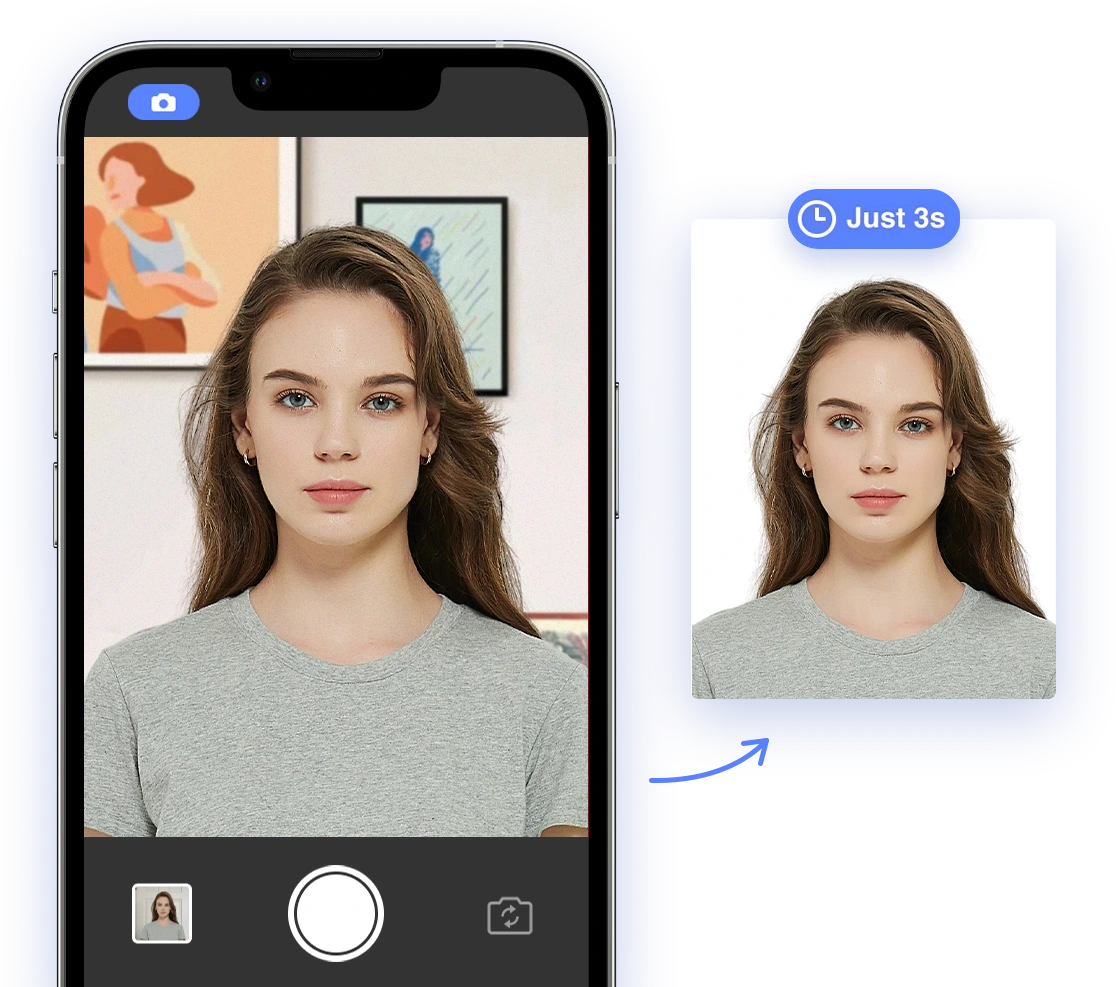
Imagine a world where verifying your identity is as simple as a tap on your phone. Government-issued digital IDs are rapidly transforming this vision into reality, promising a more secure, convenient, and efficient way to prove who you are. This guide explores the rise of digital IDs, their key benefits, the crucial role of compliant photos, and the innovative AI-powered tools that are revolutionizing secure identification worldwide. Are you ready to unlock the potential of this transformative technology?
The Rise of Digital IDs
Shifting from Physical to Digital
For centuries, physical documents like passports and driver's licenses have been the standard for identification. However, these documents are prone to loss, theft, and forgery. Digital IDs offer a more secure and efficient alternative, leveraging technology to verify identity in the digital realm. This shift marks a significant step towards a more interconnected and secure digital society. But how are digital IDs superior?
Global Leaders in Digital ID
Several countries and regions are leading the charge in digital ID implementation. The European Union's Digital Identity Wallet initiative aims to provide citizens with a secure and unified digital identity for accessing online services across member states. In Asia, countries like India with its Aadhaar system and South Korea with its mobile driver's license are pioneering national digital ID programs. African nations such as Estonia are also at the forefront, offering e-residency and advanced digital services. These global leaders showcase the diverse approaches and benefits of digital ID systems worldwide.
Key Benefits & Use Cases
Advantages for Citizens, Governments, and Businesses
Digital IDs offer a multitude of advantages, revolutionizing how we interact with services and institutions. These benefits extend to citizens, governments, and businesses alike:
- Streamlined Services: Citizens can access government services, healthcare, and financial services online quickly and easily, reducing paperwork and wait times.
- Enhanced Security: Digital IDs incorporate advanced security features like biometrics and encryption, significantly reducing the risk of identity theft and fraud compared to physical documents.
- Reduced Fraud: Secure digital verification processes minimize fraudulent activities across various sectors, protecting businesses and consumers from financial losses.
- Improved Data Management: Governments can efficiently manage and protect citizen data, ensuring privacy and compliance with data protection regulations.
Diverse Applications
Digital IDs are finding applications in various sectors, transforming everyday processes and creating new opportunities for innovation. From seamless online transactions to streamlined travel procedures, the potential is vast:
- Secure Online Transactions: Verifying identity for e-commerce, online banking, and other secure transactions, enhancing trust and security in the digital marketplace.
- Access to Government Services: Accessing healthcare portals, social security benefits, and other government services online, providing citizens with convenient and efficient access to essential resources.
- Streamlined Travel Procedures: Facilitating faster and more secure border crossings and airport security checks, reducing congestion and improving the travel experience. For example, some airports now allow mobile driver's licenses for TSA verification.
- Age Verification: Confirming age for online purchases of age-restricted goods and services, preventing underage access to sensitive products.
- Remote Work Visas: Streamlining the application process and verification for digital nomads, facilitating global mobility and economic opportunities.
These diverse applications underscore the transformative potential of digital IDs across various sectors.
The Role of Compliant Photos
Why Compliant Photos are Essential
Compliant photos are the cornerstone of secure and reliable digital ID systems. High-quality, standardized photos are crucial for accurate biometric verification, enabling facial recognition technology to confirm identity with precision. Think of it as the key to unlocking your digital identity. Without compliant photos, digital ID systems are vulnerable to fraud and identity theft, undermining the entire system's integrity. What makes a photo compliant?
Key Photo Requirements
Digital ID programs typically have stringent photo requirements, ensuring consistency and accuracy across the board. These requirements are designed to optimize photos for biometric matching and prevent fraudulent use. Adhering to these guidelines is critical for a successful application:
- Size and Dimensions: Specific pixel dimensions and aspect ratios are required to ensure the photo is properly scaled and displayed.
- Background: A plain, light-colored background is typically mandatory to avoid distractions and ensure clear facial recognition.
- Lighting: Uniform lighting with no shadows or glare is essential to accurately capture facial features.
- Pose: A neutral expression with a forward-facing pose is generally required, allowing for precise biometric analysis.
Fulfilling these requirements ensures that photos are suitable for biometric matching and meet the standards of the issuing authority. For more in-depth information, refer to our guide on passport photo requirements. Ensure your photos meet every requirement for seamless verification.
AI-Powered Solutions for Digital ID Photos
Simplifying Compliance with AI Passport Photo
Creating compliant digital ID photos can be challenging, even with a thorough understanding of the requirements. AI-powered tools like AI Passport Photo simplify the process, making it accessible to everyone. This innovative app uses artificial intelligence to automatically adjust photos to meet specific requirements, reducing the risk of errors and ensuring acceptance. It's like having a personal photo compliance expert in your pocket.
Key Features for Digital ID Applications
AI Passport Photo offers several features that are particularly valuable for digital ID applications, streamlining the process and maximizing your chances of success:
- Automatic Background Removal: Instantly removes and replaces backgrounds to meet program requirements, ensuring a clean and compliant photo.
- Automatic Resizing: Automatically resizes photos to meet specific dimension requirements, eliminating the need for manual adjustments.
- Compliance Checks: Analyzes photos to ensure they meet all necessary criteria, such as lighting, pose, and facial features, providing real-time feedback and guidance.
Ensure your digital ID photo meets the standards by visiting AI Passport Photo. The right photo is just a click away! Let AI Passport Photo handle the complexities, while you focus on your application.
Security & Privacy Considerations
Addressing Key Concerns
While digital IDs offer numerous benefits, it's essential to address security and privacy concerns to ensure public trust and responsible implementation. These concerns must be carefully considered and mitigated to maximize the benefits of digital ID systems:
- Data Protection: Robust data protection measures are necessary to prevent unauthorized access and misuse of personal information, safeguarding citizens' privacy rights.
- Identity Theft: Secure authentication methods and fraud detection systems are crucial to prevent identity theft and ensure the integrity of digital ID systems.
- Surveillance: Clear regulations and oversight mechanisms are needed to prevent government surveillance and ensure responsible use of digital ID data, protecting civil liberties.
Security Measures
To mitigate these risks, digital ID systems employ various security measures, safeguarding user data and preventing unauthorized access:
- Encryption: Encrypting data both in transit and at rest to protect against unauthorized access, securing sensitive information from cyber threats.
- Biometrics: Using biometric data for secure authentication and verification, adding an extra layer of security and preventing identity fraud.
- Decentralized Identity: Distributing identity data across multiple sources to reduce the risk of a single point of failure, enhancing system resilience and preventing data breaches.
These measures are critical to building trust and ensuring the responsible use of digital ID technology.
Global Outlook and Future Trends
Emerging Technologies and Potential Applications
The future of digital IDs is bright, with emerging technologies promising even greater security and functionality. These innovations are set to revolutionize how we verify our identities and interact with the digital world:
- Blockchain Technology: Enhancing security and transparency through decentralized and immutable record-keeping, creating a more trustworthy and secure digital identity ecosystem.
- Self-Sovereign Identity (SSI): Empowering individuals to control their own identity data and share it selectively, giving users greater control over their personal information.
- Artificial Intelligence (AI): Improving biometric verification accuracy and fraud detection capabilities, making digital ID systems more secure and reliable.
Potential for Interoperability
The potential for interoperability and cross-border recognition of digital IDs is a key area of development. Standardized protocols and frameworks are needed to enable seamless verification of digital identities across different countries and regions, facilitating international travel, commerce, and collaboration. Imagine a world where your digital ID is recognized everywhere, streamlining global interactions. What are some real-world examples?
Country-Specific Details
Many countries are in various stages of implementing digital ID systems, showcasing the diverse approaches and priorities in this evolving field. Here are a few notable examples:
- Estonia: A pioneer in digital governance, offering e-Residency and a comprehensive suite of online services, setting a benchmark for digital transformation.
- India: The Aadhaar system is the world's largest biometric ID system, providing unique identification for over a billion residents, showcasing the scalability of digital ID technology.
- Singapore: Singpass is a widely used digital identity for accessing government and private sector services, demonstrating the seamless integration of digital ID into daily life.
- Canada: Working on a Pan-Canadian Trust Framework to enable secure and interoperable digital identities across provinces and territories. Learn about Canadian passport photos in NYC.
As technology evolves and global collaboration increases, digital IDs promise a future where proving who you are is seamless, secure, and convenient. Embracing these advancements will unlock new opportunities for citizens, governments, and businesses alike. Are you ready to be a part of this digital revolution?