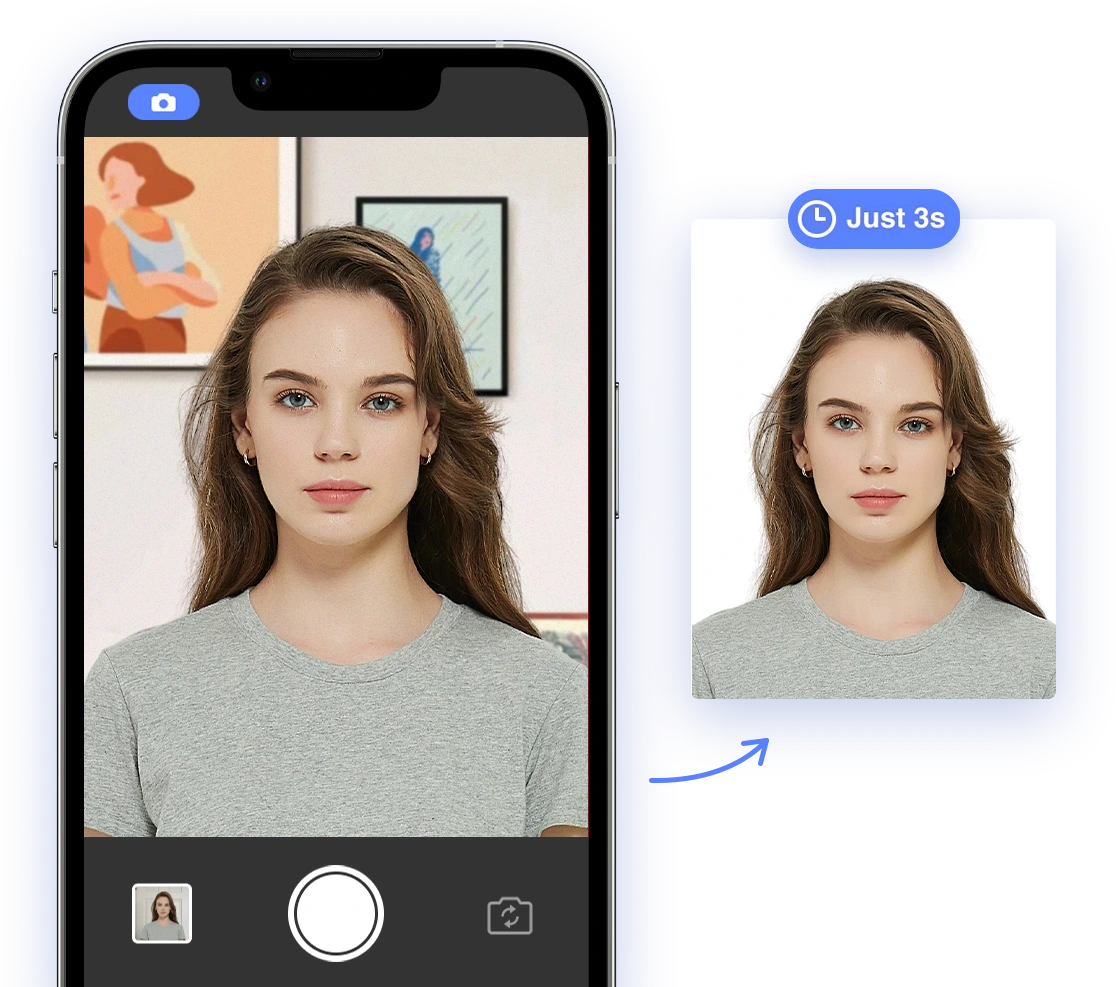
Professional Licenses: Ensuring Your Image Meets Board Standards
Professional licenses, such as those for medical professionals, lawyers, and engineers, often require specific photo IDs as part of the application process. These photos serve as a visual confirmation of your identity and must adhere to strict guidelines set by the licensing boards. The requirements can vary significantly depending on the profession and the state. To avoid any setbacks, understanding these nuances is key.
Acceptable Attire, Background, and Pose
- Attire: Generally, professional attire is expected. This typically means business formal or business casual clothing. Avoid wearing anything too revealing or distracting. Think crisp and clean – a well-fitting suit or a professional blouse can make a difference.
- Background: A plain, neutral background is almost always required. White or off-white backgrounds are common, but check the specific requirements of your licensing board. Avoid patterns or distracting elements in the background. If you're looking to ensure a perfect background, an AI passport photo tool can help.
- Pose: A direct, forward-facing pose is essential. Ensure your entire face is visible and that you are looking directly at the camera. A neutral expression is usually required. Smiling might be acceptable, but it's safer to opt for a neutral look unless explicitly permitted.
Variations Across Different States or Licensing Boards
Photo ID requirements can vary significantly from one state or licensing board to another. For example, some boards may require a specific size photo (e.g., 2x2 inches), while others may have strict rules about the type of paper the photo is printed on (e.g., matte or glossy). Always consult the specific guidelines provided by your licensing board to ensure compliance. AI tools can help analyze your photo against these varying requirements, saving you time and potential rejection. Before submitting, double-check all specifications on the licensing board’s website.
Concealed Carry Permits: Navigating Restrictions and Ensuring Compliance
Concealed carry permits, which allow individuals to legally carry concealed firearms, also typically require a photo ID. The requirements for these photos often focus on ensuring a clear and accurate representation of the applicant's identity, leaving no room for ambiguity. Understanding
federal and state gun laws is crucial to ensure you stay within legal boundaries.
Restrictions on Accessories and Facial Obstructions
- Accessories: Most concealed carry permit photos prohibit the wearing of hats, sunglasses, or any other accessories that could obstruct the view of your face. Religious headwear may be an exception, but it must not obscure facial features. For guidance on specific religious exemptions, refer to TSA guidelines.
- Facial Obstructions: Similarly, hairstyles that cover the face or obscure facial features are generally not allowed. Beards are usually acceptable, provided they do not significantly alter your appearance and are well-groomed. If you're unsure, use an online ID photo generator to check.
Image Quality
- Clarity: High-resolution, clear photos are a must. Blurry or pixelated images will likely be rejected. Aim for a sharp and detailed image.
- Lighting: Proper lighting is crucial. Avoid shadows or harsh lighting that could distort your facial features. Natural, even lighting is often the best option. You might want to read "What if my passport photo is rejected?" to understand potential pitfalls.
Ensure your photo is recent and accurately reflects your current appearance to prevent any issues during the permit application process.
Government Employee Badges: Security and Biometric Data Capture
Government employee badges require stringent photo ID standards due to security considerations. These photos are often used for background checks and may be linked to biometric data, making accuracy paramount.
Security Considerations and Background Checks
- Accuracy: The photo must be an accurate representation of your current appearance. Any significant changes in appearance since the photo was taken should prompt an update.
- Background Checks: Often, the photo is cross-referenced with other identification documents as part of a thorough background check process. Ensure consistency across all your IDs.
Biometric Data Capture
Some government agencies now use biometric data capture technology, which analyzes facial features to verify identity. Therefore, photos must comply with specific biometric standards.
- Neutral Expression: Maintain a neutral expression to allow for accurate biometric analysis.
- Full Frontal View: A full frontal view of the face is required with no obstructions or shadows.
Ensuring compliance with AI-powered tools
It's important to use AI-powered tools to ensure the photo meets every requirement and can be used properly with automated security systems. These tools can verify alignment with biometric standards and flag any potential issues before submission. For example, read "
How to Get the Best Passport Photos?" to understand biometric requirements.
Student IDs (Beyond Basic Requirements): Meeting Institutional Standards
While most student IDs have basic photo requirements, some institutions or specialized programs have more stringent guidelines. Understanding these additional requirements is crucial for students in specific fields.
Digital Submission Guidelines
- File Format: Adhere to the specific file format, such as JPEG or PNG, as indicated by the educational institution. Failure to use the correct format can result in rejection.
- File Size: Ensure that the digital file size meets the specified requirements to facilitate efficient uploading and storage. Exceeding the size limit can prevent successful submission.
Specialized Fields
- Healthcare: Students in healthcare programs may need to adhere to guidelines regarding professional attire, such as wearing scrubs or a lab coat. Check with your program coordinator for specific instructions.
- Security: Students in security or law enforcement programs may have to avoid wearing any accessories that could be perceived as unprofessional or non-compliant with security protocols. Keep the photo simple and professional.
Meeting these institutional standards helps maintain a professional image and ensures the ID serves its intended purpose effectively. To take a great photo for your student ID, take inspiration from "
How to Take the Perfect Student ID Photo?"
Secure Facility Access Cards: Biometric Standards and Encryption
Access cards for secure facilities, such as government buildings or research labs, demand strict adherence to photo ID standards. These photos are often linked to advanced security systems, requiring flawless execution.
Biometric Standards
- Facial Recognition: Photo must support accurate facial recognition, thus requiring a full frontal view with no obstructions.
- Consistent Lighting: Uniform lighting is essential to ensure that facial features are clearly visible and accurately captured, which aids in biometric analysis.
- High Resolution: Provide a high-resolution image to allow for detailed facial feature extraction by biometric systems.
Background Verification and Image Encryption
- Data Security: Photos are often encrypted and securely stored, requiring compliance with specific digital security standards. Understand the facility's data security policies.
- Audit Trails: Access systems track photo ID submissions, so ensure that your photo meets all standards from the outset to avoid repeated submissions and verifications. Double-check all guidelines before taking your photo.
Adherence to these biometric standards and encryption protocols is vital for maintaining security and preventing unauthorized access.
Industry Certifications: Demonstrating Professionalism and Competence
Many industry certifications, especially in fields like construction, healthcare, and IT, require a photo ID as part of the credentialing process. These photos serve as proof of identity and competence, showcasing your commitment to professional standards.
Acceptable Attire and Pose
- Industry-Specific Attire: For construction, it could mean wearing safety gear like a hard hat or vest; for healthcare, scrubs or a lab coat; for IT, professional business attire. Choose attire that accurately represents your role in the industry.
- Professional Demeanor: A neutral, professional expression is always best, conveying competence and reliability. Avoid overly casual or expressive poses.
Using AI for Compliance
AI-powered tools can be particularly helpful in these situations, as they can analyze the photo to ensure it meets all the specified requirements, including attire, background, and pose. This ensures your photo reflects a professional image and meets industry standards. To learn how AI can improve your results, read "
AI-Powered Photo Compliance: Global Standards & DIY Tips [2024-2025]"
To further enhance your submission, review examples of accepted photos within your specific industry to gain a clearer understanding of expectations.
How AI-Powered Tools Assist with Compliance
AI-powered photo tools can be invaluable in ensuring compliance with the complex and varied requirements of photo IDs. These tools can:
- Automatically adjust the background to meet specific color requirements. Learn more about background requirements by reading "Decoding the US Passport Photo Background: Colors, Requirements & AI Solutions [2024-2025]."
- Ensure the photo meets the required size and resolution.
- Verify that the subject is facing forward and has a neutral expression.
- Confirm that the photo complies with biometric standards.
- Check for compliance with attire guidelines.
- Provide real-time feedback on lighting and image quality.
By using these tools, you can significantly increase the likelihood that your photo ID will be accepted, saving you time and hassle. Consider AI-powered tools as a reliable assistant in navigating complex photo ID standards.
Conclusion: Ensuring a Seamless Application Process
Obtaining compliant photo IDs for official documents in the US can be challenging due to the varied and often complex requirements. However, by understanding these requirements and leveraging AI-powered tools, you can confidently create compliant photos for a wide range of documents, ensuring a smooth application process and avoiding unnecessary delays. Always consult the specific guidelines provided by the issuing agency or organization to ensure full compliance.
Ready to create your compliant photo ID? Try our
AI Passport Photo tool today!
To take perfect pictures at home, consider following the tips in "
DIY Passport Photo Hacks: Take Perfect Pictures at Home [2024]".