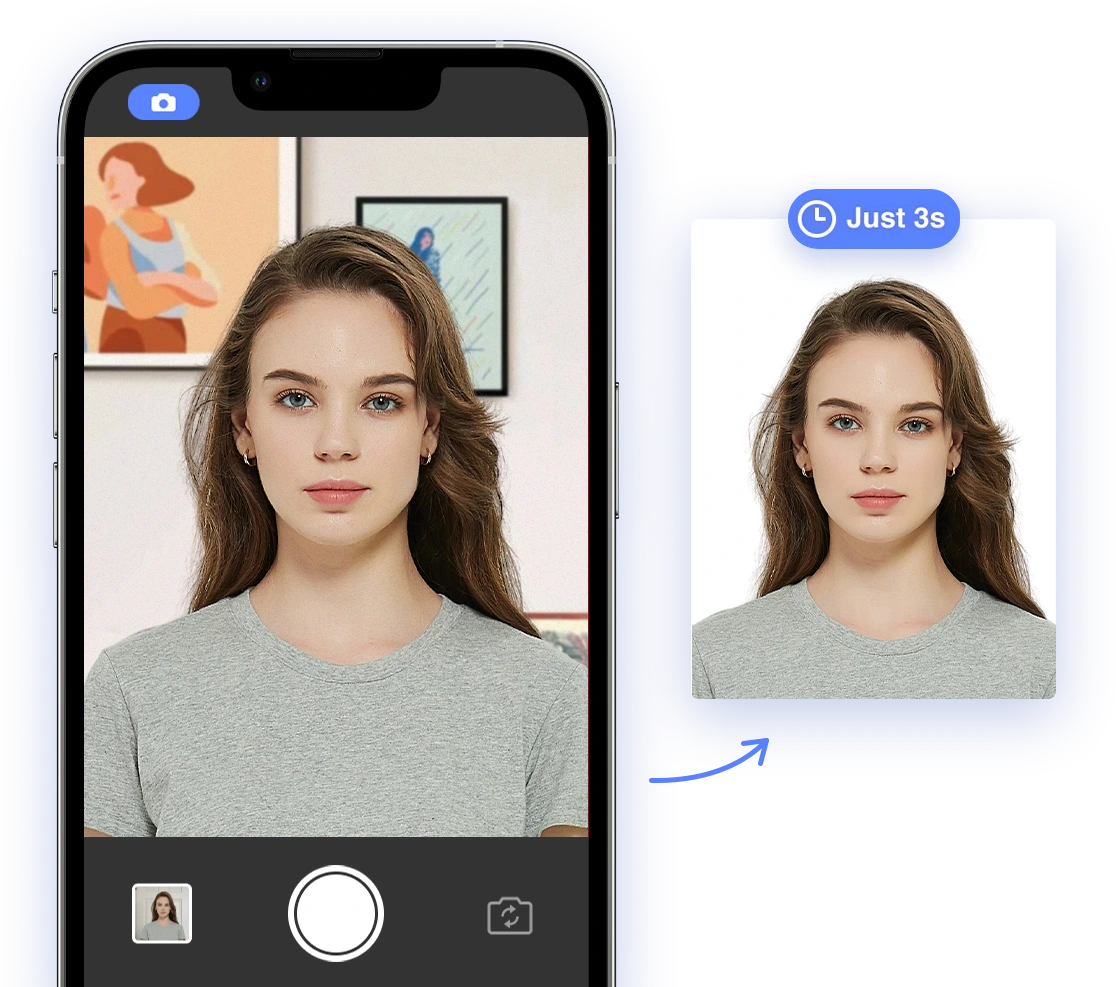
Understanding Photo ID Sizes: A Global Perspective
Most people associate photo IDs with the standard 2x2 inch format required for U.S. passports. However, the world of official identification extends far beyond this single size. From visa applications and green card renewals to driver's licenses and professional certifications, a myriad of specific dimensions are required, often varying by country and application type. Understanding these diverse requirements is essential for ensuring your application is accepted without delays or complications.
This comprehensive guide serves as your ultimate resource, providing the knowledge and practical tools to navigate the often-confusing landscape of alternative photo ID sizes. We'll equip you with the information you need to ensure your photos meet all necessary size requirements, minimize the risk of rejection, and save valuable time and money. Whether you're preparing a Schengen visa application, renewing your green card, or applying for a professional license, we've got you covered. So, let's dive in and unlock the secrets to hassle-free photo ID compliance!
Before we delve into the specifics of different photo ID formats, let's establish a foundational understanding of how these sizes are defined. The dimensions are typically expressed in inches or millimeters, representing the photo's width and height. While some countries and international organizations adhere to the familiar 2x2 inch (51x51 mm) standard, many others implement unique specifications that applicants must follow precisely.
Common photo ID applications that often necessitate alternative sizes include:
* **Visas:** The Schengen visa, required for travel to many European countries, uses a 35x45 mm format. Other countries, like India, have different size requirements for their visas. (typically 2x2 inches)
* **Driver's Licenses:** Size and format can vary significantly depending on the state or country issuing the license. Many licenses use smaller formats than passport photos.
* **Green Cards (Permanent Resident Cards):** While the photo size is 2x2 inches, there are very strict requirements regarding background, pose, and other factors.
* **Citizenship Applications (N-400):** These also use the 2x2 inch format, with USCIS (United States Citizenship and Immigration Services) having strict guidelines to follow.
* **National IDs:** These vary considerably from country to country, often differing significantly from passport or visa photo sizes.
## US-Specific Photo ID Size Requirements
Within the United States, even beyond the federal passport requirements, several documents call for photo IDs with dimensions that differ from the standard 2x2 inches. Knowing these nuances can prevent unnecessary complications.
### Driver's Licenses and State IDs
While a 2x2 inch photo may be *generally* accepted by some states, it’s essential to confirm this with your local Department of Motor Vehicles (DMV). Many DMVs have specific requirements, including slightly smaller sizes or precise digital image specifications. Always check local guidelines before submitting your photo.
### Green Card Applications
The United States Citizenship and Immigration Services (USCIS) is very particular about photo requirements for Green Card applications, also known as Permanent Resident Cards. The size is indeed 2x2 inches (51x51 mm), but stringent guidelines apply to background color (must be plain white), applicant's pose, clothing, and overall image quality. Don't leave it to chance! Using a tool like
AI Passport Photo can help ensure your green card photo adheres to all of these demanding requirements. For more information on Green Card Photo Requirements you can check this article:
Green Card Photo: Requirements, Sizes & AI Solutions for 2024-2025
### USCIS Citizenship Applications
USCIS citizenship applications (Form N-400) also require a 2x2 inch (51x51 mm) photograph, and, similar to Green Card photos, strict adherence to USCIS's detailed guidelines is crucial. Accurate sizing, a neutral facial expression, and strict compliance with all USCIS criteria are essential for a smooth and trouble-free application process. Before taking or submitting your photos, be sure to carefully review the
USCIS photo requirements for citizenship.
### Student IDs
Photo ID requirements for student IDs are determined by individual universities and colleges. Size, format, and submission methods (digital upload or printed photo) can vary considerably. Always consult the specific guidelines provided by your school or institution before submitting your student ID photo to avoid rejection.
### Professional Licenses
Many professional licenses, covering fields such as medicine, law, engineering, and other regulated occupations, mandate the submission of a compliant photo ID. The specific size and format requirements can vary considerably, depending on the licensing board and the particular profession. Therefore, it's essential to consult the licensing board's official website for detailed instructions before preparing your photo.
## Global Photo ID Size Variations
If you plan to travel or work internationally, you'll quickly encounter the need to obtain visas. Each country sets its own visa photo requirements, and these often differ significantly from standard passport photo sizes. For instance, the Schengen visa, which allows travel to many European countries, requires a 35x45 mm (1.38x1.77 inches) photograph and has specific rules regarding head size and background color. Failing to precisely meet these specifications can easily lead to visa application rejection.
Keep in mind that countries such as India, China, and Canada also have their own distinct passport and visa photo requirements. For example, to get more information about the requirements for China Visa Photo, check this article:
How To Make China Visa Photo. The key takeaway is to *always* consult the official website of the embassy or consulate of the specific country you plan to visit. There, you'll find the most accurate and up-to-date photo ID guidelines. For a general comparison of requirements, you might find the article
Passport Photo Requirements: US vs India useful, but always confirm with the issuing authority.
## DIY Tips for Achieving Accurate Photo ID Sizes
While AI-powered tools offer a convenient solution, taking a do-it-yourself (DIY) approach to photo ID sizing is certainly possible. Here are some practical tips to help you achieve accurate results:
* **Precise Measurement is Key:** Use a high-quality ruler and a flexible measuring tape to accurately determine the required dimensions. Remember, even slight deviations from the specified size can lead to rejection of your application. Double-check your measurements to be sure!
* **Leverage Photo Editing Software:** Photo editing software such as
Adobe Photoshop and
GIMP, as well as online tools like
Canva, provide the functionality to crop and resize your photos to meet exact dimensional requirements. Take advantage of these tools to fine-tune your image.
* **Resolution Matters:** When resizing your photo, pay close attention to the image resolution. Aim for a minimum resolution of 300 DPI (dots per inch) *after* resizing to prevent the image from becoming pixelated or blurry.
## Leveraging AI for Precise Photo ID Sizing
If you want to avoid the hassle and uncertainty of the DIY approach, consider using AI-powered tools such as
AI Passport Photo. These innovative tools streamline the entire process of creating compliant photo IDs by automatically resizing and formatting your photos to meet even the most demanding specifications. This article,
Digital Photo Analyzers: Revolutionizing Compliance Checks for Official Documents [2024-2025], could be useful to know more about it.
AI Passport Photo, for example, uses advanced algorithms to ensure accurate dimensions, correct background color, and high overall image quality. This significantly minimizes the risk of rejection, saving you time and potential headaches. With a stellar 4.6 rating on Trustpilot, AI Passport Photo offers a user-friendly interface and supports a wide range of photo ID types, making it an ideal solution for anyone seeking a seamless way to obtain compliant photos.
## Printing and Submission Guidelines
Once you've obtained a compliant digital photo ID, the next step is either printing it for physical submission or submitting it digitally through the required online portal. Here's what you need to know:
* **Printing Best Practices:** If printing is required, use high-quality, glossy photo paper and a well-maintained color printer. Carefully adjust the printer settings to ensure that the photo prints at the *exact* dimensions required, avoiding any automatic scaling or resizing that could distort the image.
* **Digital Submission Requirements:** For online submissions, carefully adhere to all instructions provided on the application website or portal. Pay particular attention to any stated file size limitations and the specific file formats that are accepted (e.g., JPEG, PNG).
## Troubleshooting Common Sizing Issues
Even with careful preparation, you might still encounter certain sizing-related issues when creating your photo ID. Here are some common problems and practical solutions:
* **Photo Becomes Blurry After Resizing:** This generally indicates that your original photo didn't have a high enough resolution. The solution is to retake the photo using a higher resolution setting on your camera or smartphone.
* **Struggling to Achieve the Correct Dimensions:** Double-check the official requirements and then meticulously crop and resize your photo again using photo editing software or an AI-powered tool. Accuracy is paramount!
* **The Dreaded "File Size Too Large" Error:** Reduce the file size of your photo by using an online image compressor, saving the image at a lower resolution (but still above the minimum required), or cropping the image to a smaller area (if possible without violating other requirements).
## Real-World Examples and Use Cases
To emphasize the importance of accurate photo ID sizes, let's consider a few real-world examples:
* **A Schengen Visa Rejection:** A traveler planning a European vacation had their Schengen visa application rejected because their photo was just 2mm too short. This seemingly small discrepancy resulted in a missed flight and lost travel expenses.
* **Delayed Green Card Renewal:** A permanent resident experienced significant delays in renewing their Green Card because the photo submitted was not precisely 2x2 inches and did not meet the stringent USCIS background color requirements. This resulted in challenges with international travel and employment verification.
* **Professional Licensing Setback:** A recent medical school graduate had their application for a medical license put on hold because the submitted photo did not adhere to the licensing board's exact size and format specifications. This delayed their ability to begin practicing medicine.
These real world examples emphasize the importance of correct photo ID sizes.
## Stay Updated: 2024-2025 Updates and Changes
Photo ID requirements are subject to change, so it's important to verify the guidelines just before you apply. You can check the
US Department of State website to check for any changes to photo ID requirements. Staying updated will help ensure that the application process will be as easy as possible.
By following these guidelines and utilizing the recommended resources, you can confidently navigate the world of photo ID sizes, ensuring a smooth and successful application process for all your official documents. Remember, accuracy and attention to detail are key!
 AiPassportPhoto